
Looking · 3 min read
Atmospheric watercolour and traditional watercolour: what changes?
The difference is less about rules and more about what the painting chooses to hold back.
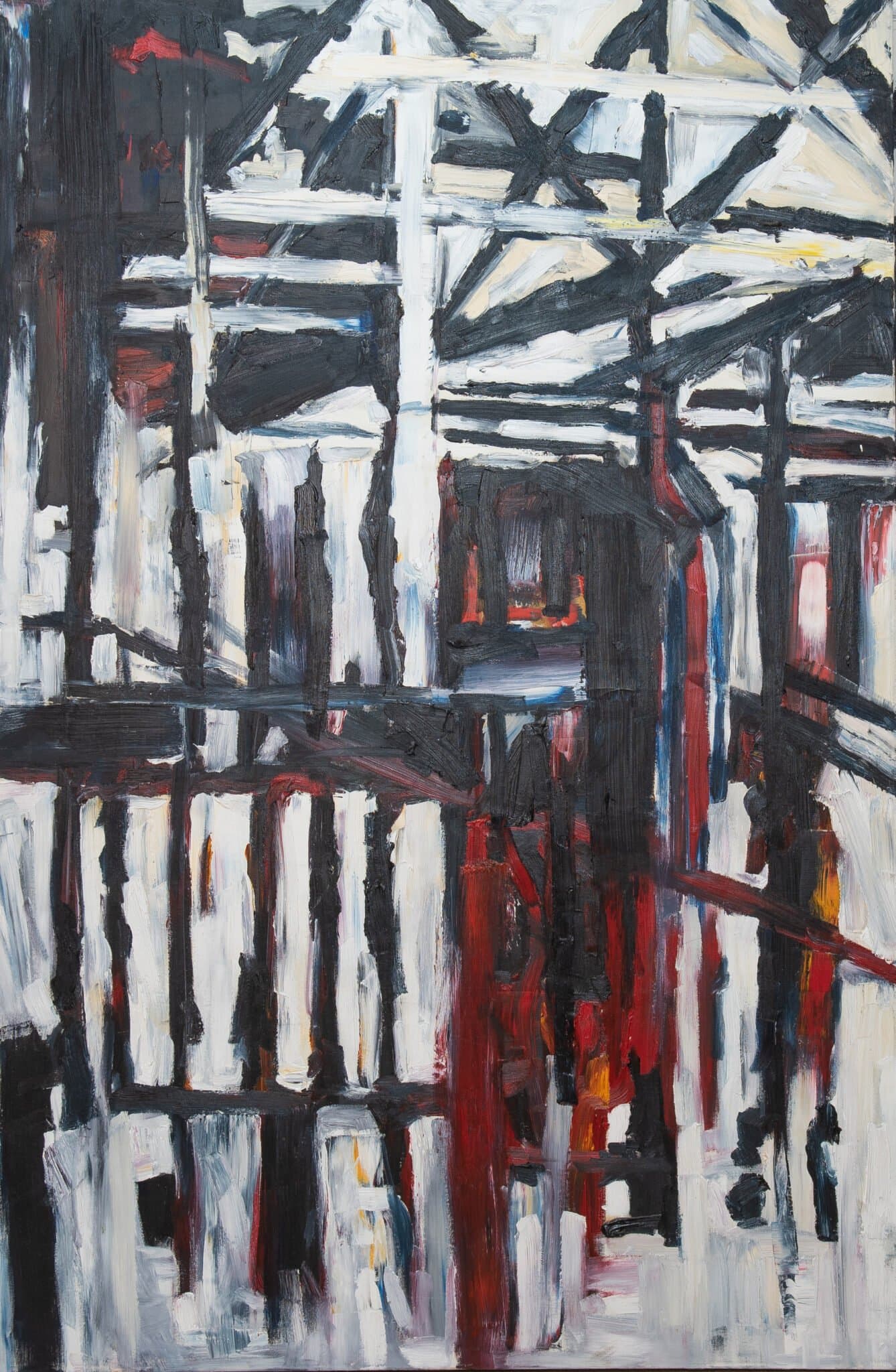
There is no single traditional watercolour style, and atmospheric watercolour is not a separate set of materials. Both use pigment, water and paper. The change is in emphasis.
A descriptive painting may explain form, texture and place carefully. An atmospheric painting asks which few relationships can carry the feeling of the subject.
Information becomes selective
Atmospheric painting usually reduces detail away from the focal area. A flower may be recognised through one turn of a petal and a dark centre, while surrounding leaves remain suggestions. Accuracy still matters, but it serves the impression rather than becoming the whole purpose.
The paper remains active
Untouched paper can become light, air or distance. Instead of filling every shape, the painter connects some washes and lets pale intervals remain. This is closely related to Japanese ink painting, where empty space participates in the image.
- Vary hard, soft and lost edges.
- Mix fewer, larger colour pools.
- Preserve one connected route of light.
- Stop when the idea is clear, not when the paper is full.
Choose the approach the subject needs
A botanical study may benefit from careful description. A remembered garden may need only a vertical rhythm, a cool shadow and one sharp leaf. Neither is more correct. The useful question is: what must the viewer feel first?
Compare watercolour, ink and oil works to see how Jurga changes detail, edge and empty space across each medium.
See the paintings